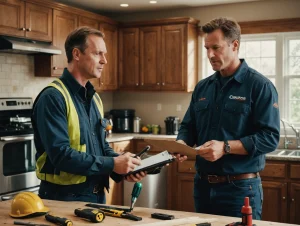

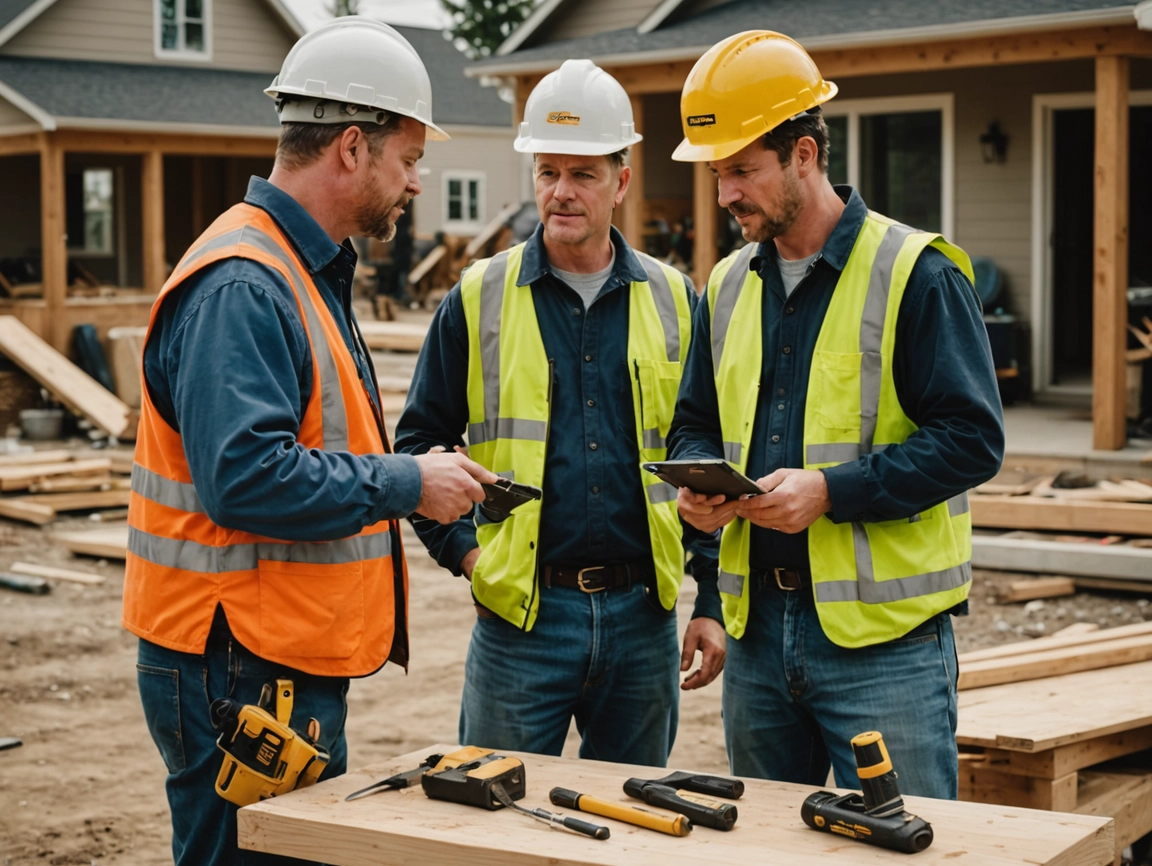
The difference between a stressful job and a smooth one rarely comes down to equipment — it comes down to clarity, honesty and respect
When people talk about trades work, they often focus on tools, skills, materials and technical expertise. And of course, those things matter — deeply. But after years of hearing real stories from both homeowners and trades professionals through Workily, one pattern stands out above everything else:
The jobs that go well don’t succeed because the work was easy.
They succeed because the communication was good.
Clear expectations.
Honest conversations.
Respectful tone.
No surprises.
On the other hand, most bad experiences don’t start with bad workmanship — they start with misunderstandings, assumptions or silence.
This article is about the human side of trades work — why communication shapes the experience more than any tool ever could, and how both homeowners and professionals benefit when it becomes a priority.
1️⃣ Most problems don’t come from the work — they come from what wasn’t said
When jobs go wrong, the root cause is often simple:
-
a price that wasn’t fully explained
-
a scope that wasn’t clearly defined
-
a timeline that sounded like a promise but wasn’t
-
assumptions made on both sides
The homeowner thinks one thing.
The tradesperson thinks another.
Nobody realises the gap until the job is almost finished.
By then, frustration has already arrived.
Good communication closes that gap before the work begins — not after.
A two-minute conversation at the start of a job prevents hours of stress at the end.
2️⃣ The tradespeople homeowners remember aren’t just skilled — they’re easy to talk to
When people recommend a professional, they rarely say:
“They had the best drill.”
They say:
-
“They explained everything clearly.”
-
“They made me feel reassured.”
-
“They told me my options honestly.”
-
“They kept me updated the whole time.”
Skill delivers the work.
Communication delivers the experience.
And the experience is what people remember.
The best professionals know that how they speak, listen and follow up is just as important as how they repair, install or build.
3️⃣ Good communication creates trust — and trust improves the quality of the job
When trust exists, homeowners feel comfortable asking questions:
-
“Is there a better way to do this?”
-
“What would you recommend long term?”
-
“What are the risks I should be aware of?”
That honesty allows tradespeople to:
-
recommend safer or more durable solutions
-
flag hidden issues early
-
explain when something costs more — and why
Without trust, everyone becomes guarded.
With trust, everyone becomes collaborative.
And collaboration produces better decisions, better outcomes and fewer disputes.
4️⃣ Silence is stressful — even when nothing is actually wrong
One of the most overlooked causes of tension in home projects is simple:
Lack of updates.
When someone doesn’t know:
-
whether the professional is running late
-
whether a part has arrived
-
whether a delay is normal or a bad sign
their mind fills in the blanks — usually negatively.
A quick message makes all the difference:
-
“Running 10 minutes behind — on the way.”
-
“Just finishing up the prep — next step starts shortly.”
-
“Small delay due to weather — I’ll explain options when I arrive.”
Tiny updates remove huge amounts of anxiety.
Communication isn’t extra courtesy —
it’s part of the service.
5️⃣ The best tools in the world can’t fix a broken conversation
A job can be technically perfect — but still feel like a bad experience if:
-
the tone was dismissive
-
questions were brushed off
-
concerns weren’t acknowledged
-
the customer felt talked at, not with
Most homeowners don’t expect perfection.
They expect respect.
They want to feel heard, informed and involved — not treated like an interruption.
And the professionals who understand that aren’t just good at their trade…
They’re good at being human.
6️⃣ Communication also protects the tradesperson — not just the customer
Clear communication isn’t just for the homeowner’s benefit — it protects the professional too.
When expectations are written, explained and confirmed:
-
scope disputes reduce
-
payment disagreements decrease
-
misunderstandings disappear
-
reputations stay intact
Professionals who communicate well spend less time firefighting and more time doing what they do best — their craft.
Good communication doesn’t slow a job down.
It prevents the job from going backwards.
7️⃣ What great communication looks like on a real job
From everything I’ve seen, strong communication usually includes:
-
explaining what will happen before starting
-
checking understanding before making changes
-
being honest about costs, risks and limitations
-
staying calm when things don’t go to plan
-
following up when the job is finished
It feels respectful, steady and professional.
And when both sides behave that way, problems — when they do appear — become conversations, not conflicts.
What I’ve learned from the professionals who do this best
The tradespeople I admire most say the same thing:
“My tools help me do the job.
My communication helps me keep good relationships.”
They know that homes are emotional spaces — not just physical ones.
People aren’t just paying for a task to be completed.
They’re trusting someone with their space, their safety and their peace of mind.
And how that trust is handled matters as much as the work itself.
Where Workily fits into this
Workily is built around the belief that great trades work isn’t just technical — it’s relational.
We help homeowners connect with verified professionals who value:
-
clarity
-
honesty
-
respect
-
accountability
Because when communication is strong, everything else — price, quality, timelines, expectations — falls into place more naturally.
Good tools build work.
Good communication builds confidence.
Final thought
The best jobs don’t feel dramatic.
They feel calm, organised and transparent.
And that has far less to do with equipment than it does with human connection.
When people talk openly, listen carefully and treat each other with respect…
…the work becomes easier,
the experience becomes better,
and the outcome becomes stronger.
Tools matter.
But communication is what makes the job feel right.