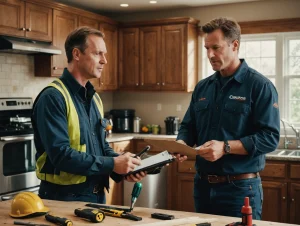


The pricing factors most homeowners never see — from call-out fees to hidden cost risks.
Hiring a tradesperson in Ireland can feel like guesswork. Two people can hire a plumber, an electrician or a carpenter for similar jobs — yet one pays €120 and the other pays €420. The work may even look identical from the outside.
From the conversations we’ve had with both homeowners and professionals on Workily, the real picture is far more nuanced. Pricing isn’t just “hourly rate × time”. It’s shaped by risk, availability, location, tools, experience, call-out policy and even how the job was described over the phone.
This article lifts the lid on how trades pricing actually works in Ireland — so you can recognise what’s fair, what’s inflated, and what’s worth paying for.
Why pricing varies so much — even for similar jobs
Most people assume trades pricing should be consistent, the way petrol or groceries are. But trades work isn’t a standard commodity — it’s closer to specialist medical care. The same symptom can have multiple causes, and a small-looking problem can hide a much bigger one.
Here are the biggest drivers of price differences.
1️⃣ Call-out fees and minimum charges
Most tradespeople charge a minimum call-out fee, typically covering:
-
travel time
-
job assessment
-
first hour of labour
-
use of basic tools and consumables
Typical ranges we see:
-
Standard daytime call-out: €60–€120
-
Evening / weekend call-out: €100–€200+
-
Emergency / same-day response: €150–€300+
From the homeowner’s side, it can feel like “€90 for 20 minutes of work”.
From the professional’s side, that job may involve:
-
stopping another paid job
-
driving 25 minutes each way
-
diagnosing a problem unseen
-
carrying legal liability for the fix
The call-out fee isn’t just labour — it’s availability + risk + expertise on demand.
2️⃣ Emergency and after-hours pricing
Emergency pricing isn’t “opportunistic” — it reflects disruption, risk and demand.
A burst pipe at 2pm is one scenario.
A burst pipe at 2am — with water running through ceilings — is another.
Emergency rates account for:
-
cancelled appointments
-
night or weekend work disruption
-
higher stress and liability
-
safety factors (wet electrics, live systems)
-
limited supplier availability
If you want normal pricing, book planned work whenever possible.
If you need someone urgently, you’re paying for speed and priority.
3️⃣ Labour vs parts — and why quotes look inconsistent
A €200 job might include:
-
€40–€80 in parts
-
€80–€120 labour
-
plus call-out / VAT / consumables
Another tradesperson might price:
-
fixed total cost including everything
-
or line-item labour + parts
The job looks different on paper, but the end-price may be similar.
Where we see problems is when:
-
parts are poor-quality imports
-
or no receipts are provided
-
or “cheap now, costly later” fixes are used
A good professional explains:
“Here’s what the part costs, here’s the labour, and here’s why I recommend this option.”
If you’re unsure — ask how the price is structured, not “why is it this much?”
Good tradespeople are usually happy to explain.
4️⃣ Travel time, parking and job location
A one-hour job in a rural area with easy parking is not the same as:
-
city-centre parking costs
-
busy-traffic travel time
-
apartment access restrictions
-
estate management requirements
Professionals still need to be paid for time the van isn’t on a job.
Many operate within preferred service zones — and price outside them accordingly.
If you want to reduce travel-load costs, book local professionals where possible
(Workily makes this easier by matching you with nearby verified pros).
5️⃣ Job complexity and risk — the hidden pricing factor
Two jobs can look identical — but one carries far higher liability.
Examples:
-
replacing a light in a dry ceiling
vs -
replacing a light where insulation, moisture and wiring are unknown
-
reseating a loose toilet in a new build
vs -
reseating one in a 30-year-old house with hidden sub-floor damage
Professionals price based on:
-
what they can see
-
and what they might be responsible for if unseen issues emerge
This isn’t padding — it’s risk-pricing.
If a tradesperson refuses a job or quotes higher because it looks unsafe…
that’s normally a sign of professionalism, not greed.
6️⃣ Experience, qualifications and specialist skills
Not all “hourly rates” are equal.
A highly experienced electrician may:
-
finish a complex job in 45 minutes
-
protect your system long-term
-
issue proper certs and compliance
A cheaper operator may:
-
take twice as long
-
cut corners
-
leave you exposed on insurance
Cheaper work is often more expensive in the long run — especially where safety or structural integrity is involved.
In many categories, you aren’t just paying for labour —
you’re paying for skill, accountability and peace of mind.
7️⃣ “Over-the-phone jobs” vs real-world conditions
Quotes given before a tradesperson sees the job are always conditional.
A homeowner may describe a situation accurately — but leave out details they didn’t realise mattered.
That’s why many pros quote:
-
a range, not a fixed figure
-
or a diagnostic call-out first
If a price changes after inspection, the key question is:
“Did the scope of work change once the problem was properly assessed?”
If yes — the revised price is usually justified.
If no — ask for clarification before approving.
Good communication protects both sides.
What a fair price looks like (rule-of-thumb guidance)
Exact prices vary by region, complexity and urgency — but here are typical ranges we see across Workily bookings in Ireland:
-
Minor repair with standard call-out: €80–€180
-
Small planned job (1–2 hours): €120–€250
-
Medium job (half-day): €250–€450
-
Full-day skilled labour: €400–€650
-
Emergency or urgent response: €150–€350+
Outliers exist — but if a price sits wildly outside these ranges, it’s worth asking why.
How to tell if you’re getting fair value
Look for professionals who:
-
explain what the price includes
-
give a clear breakdown when requested
-
provide receipts or invoices
-
use appropriate parts and materials
-
avoid vague “cash deals”
-
prioritise safety and long-term quality
Fair pricing is not always the cheapest — it is transparent, justified and professional.
Where Workily fits in
At Workily, our goal isn’t to drive prices up or down — it’s to make pricing more transparent and trustworthy for everyone involved.
We help homeowners:
-
connect with verified local professionals
-
understand the factors behind pricing
-
choose based on quality, reliability and fit — not guesswork
And we help professionals:
-
win work without paying for low-quality leads
-
focus on expertise rather than racing to the bottom on price
If you’re planning a job — whether small, urgent or complex — you can use Workily to find and compare trusted tradespeople in your area and choose the one that feels right for your situation.
Final thought
Most tradespeople in Ireland aren’t expensive by nature — they’re balancing skill, responsibility, time, travel, materials and risk. When you understand why prices vary, the process feels far less uncertain — and far more fair.
The real goal isn’t “cheap work”.
It’s good work at an honest price.